
DePIN: Decentralized Physical Infrastructure — The Real-World Side of Web3
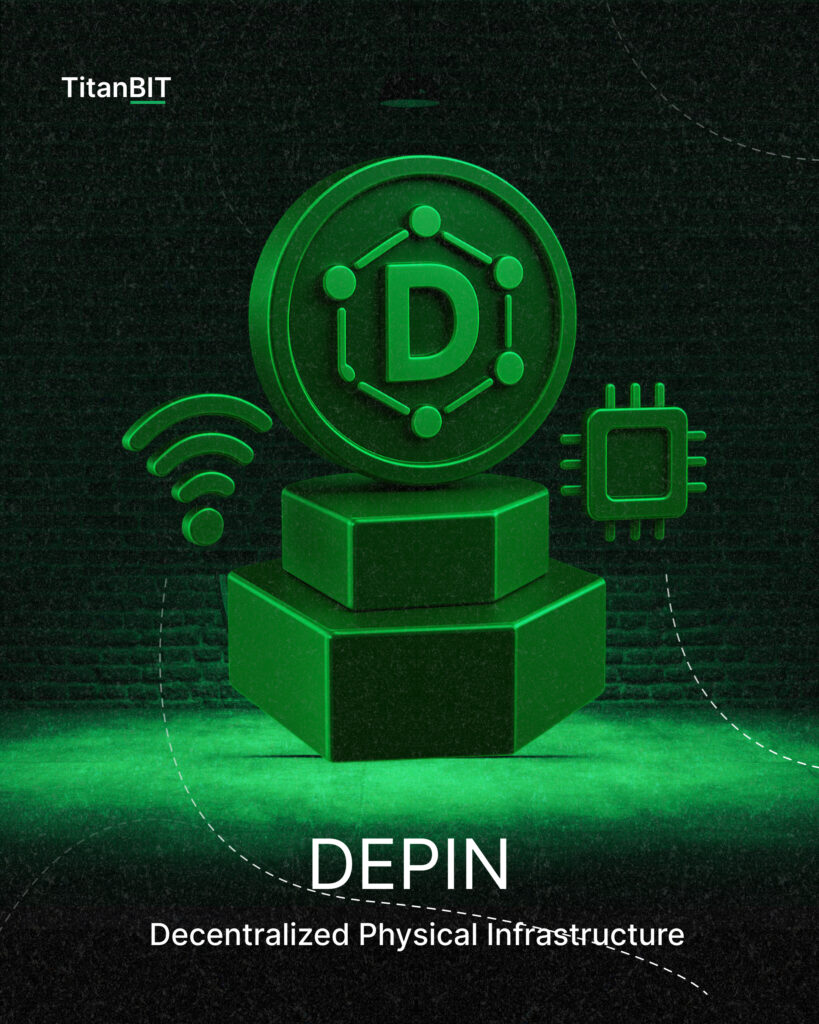
In 2025, DePIN — Decentralized Physical Infrastructure — is becoming one of the most dynamic directions in Web3 development. After years of focusing on digital assets, the Web3 community is now looking to the physical world — aiming to create decentralized networks that deliver real-world services.
DePIN brings blockchain technology to physical infrastructure. It connects networks of internet, energy ⚡, mobility, and IoT devices with tokenized incentives. Users participate by contributing hardware, running nodes, or sharing data — and in return, they receive tokens. This model empowers communities and supports a more decentralized and open approach to building infrastructure.
How DePIN works 🌍
The DePIN model is based on the idea that anyone can participate in building infrastructure. Whether it’s a wireless network, an energy grid, or an IoT system, users can contribute their resources and be rewarded through tokens. The blockchain layer ensures transparency and trust, while the incentive structure motivates participation and growth.
Why DePIN matters
DePIN is more than just a trend — it could redefine how essential services are built and operated. In many regions, centralized infrastructure providers are slow, expensive, or even absent. DePIN offers an alternative: community-driven, decentralized, and more accessible. It can expand internet coverage to remote areas, accelerate renewable energy adoption ⚡, and create smarter urban environments through IoT integration.
Challenges to overcome
However, the path is not without obstacles. Many DePIN projects face significant technical and logistical challenges. Complex token models can confuse users. Hardware management and installation can be expensive and difficult to scale. User experience must also improve — mainstream users expect simplicity, not complex crypto processes. Without addressing these issues, DePIN risks remaining a niche sector within Web3.
Looking ahead 🚀
If DePIN platforms can deliver real utility, transparent governance, and easy onboarding, they have the potential to drive mass adoption and bring blockchain into everyday life. Successful projects will need strong partnerships with local communities, businesses, and even governments — building trust and delivering tangible benefits.
At TitanBIT, we believe that DePIN could become one of the most impactful trends in Web3 over the next few years. It’s a bridge between the digital and the physical, offering new ways to apply blockchain for real-world problems.
We’ll be watching this space closely — and sharing more insights as this trend evolves. Stay tuned!